







MoCA Self-Test — digital cognitive screening
2026In progress: MVP, researchOverview
MoCA Self-Test is a tablet version of the Montreal Cognitive Assessment (MoCA). It’s a screening tool: it helps spot cognitive impairment in older people early and refer them to a neurologist. It doesn’t make a diagnosis.
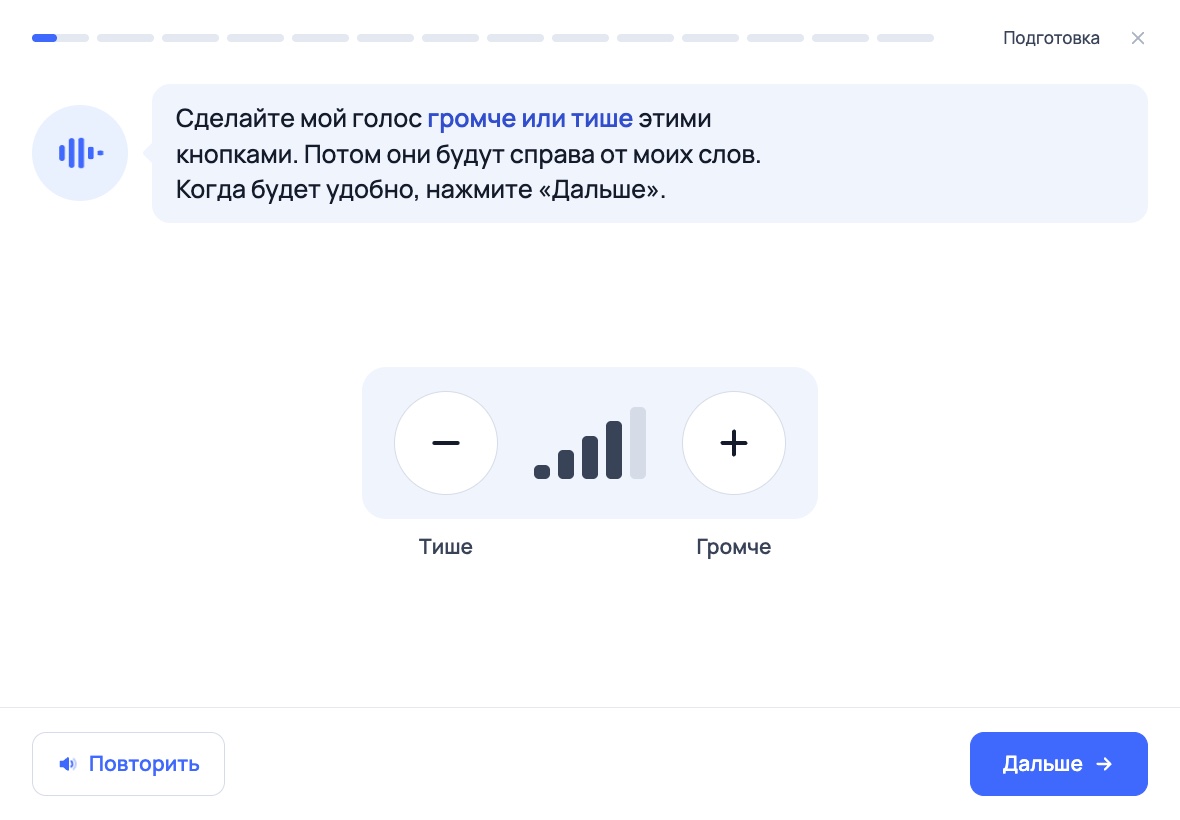
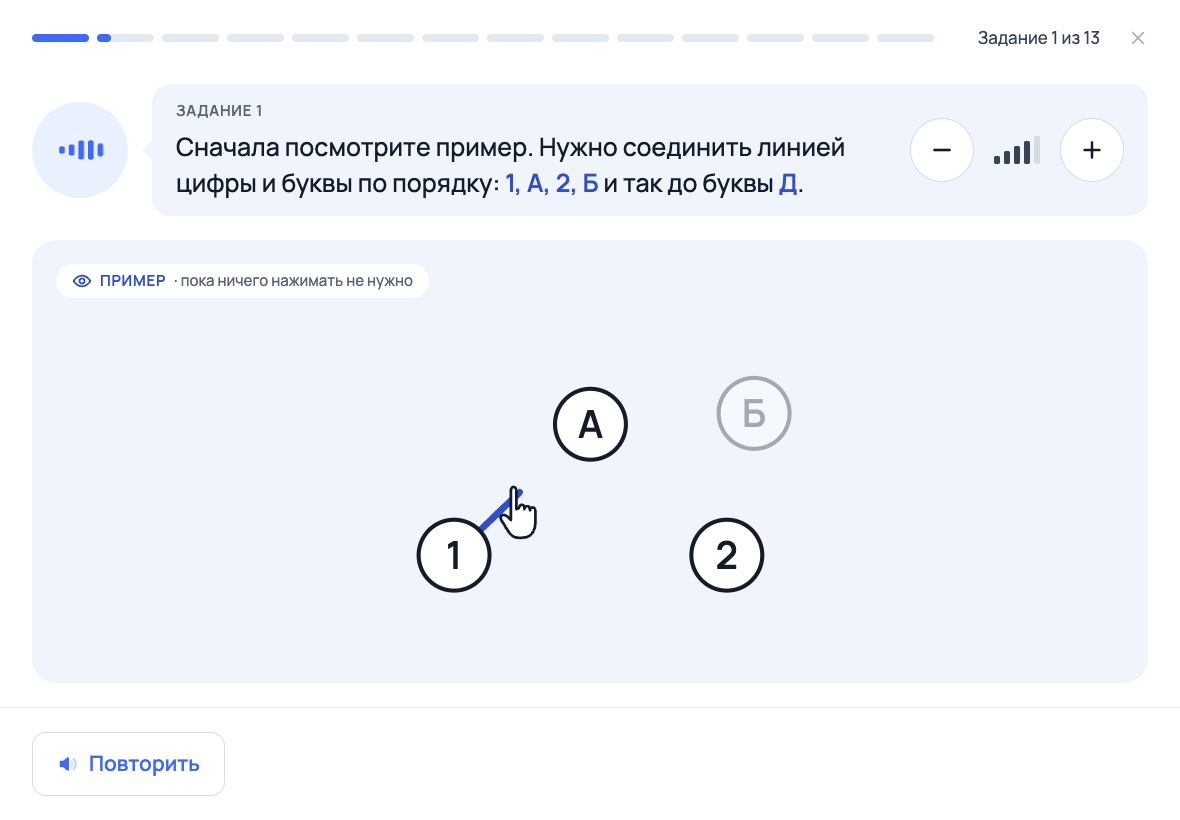
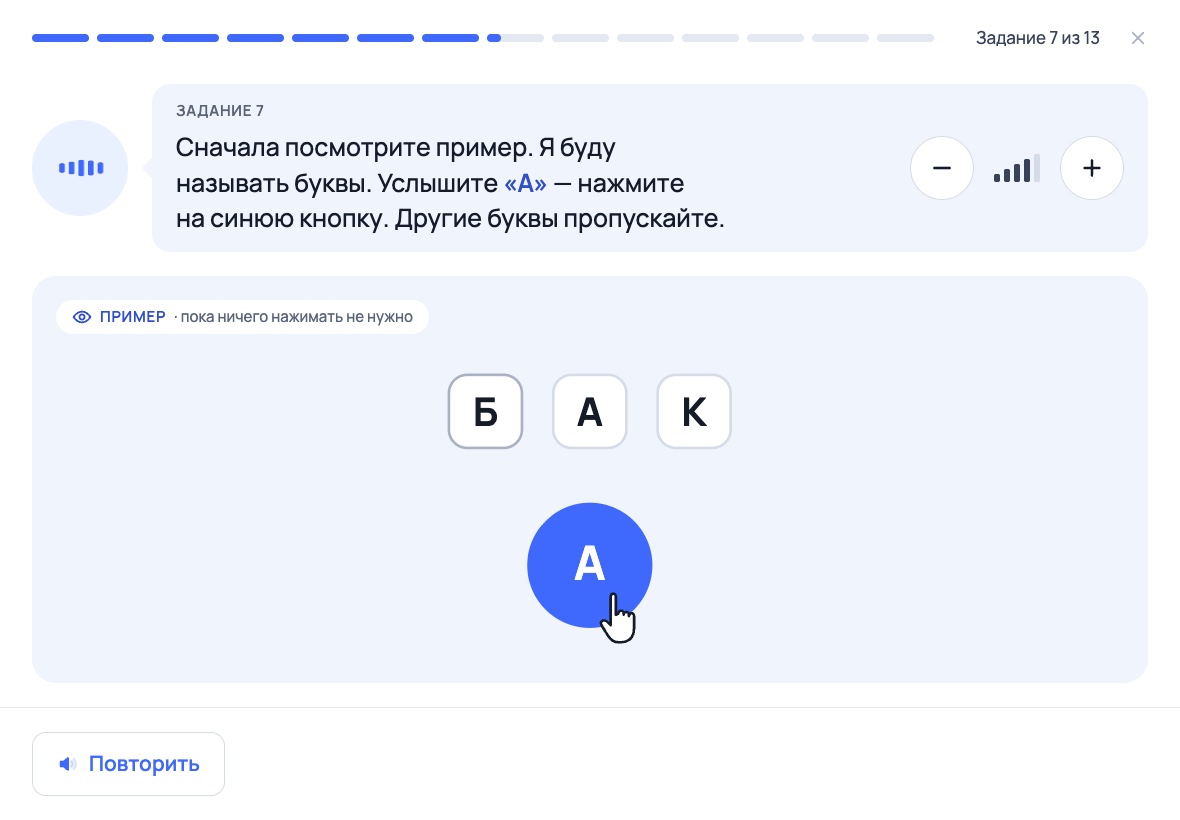
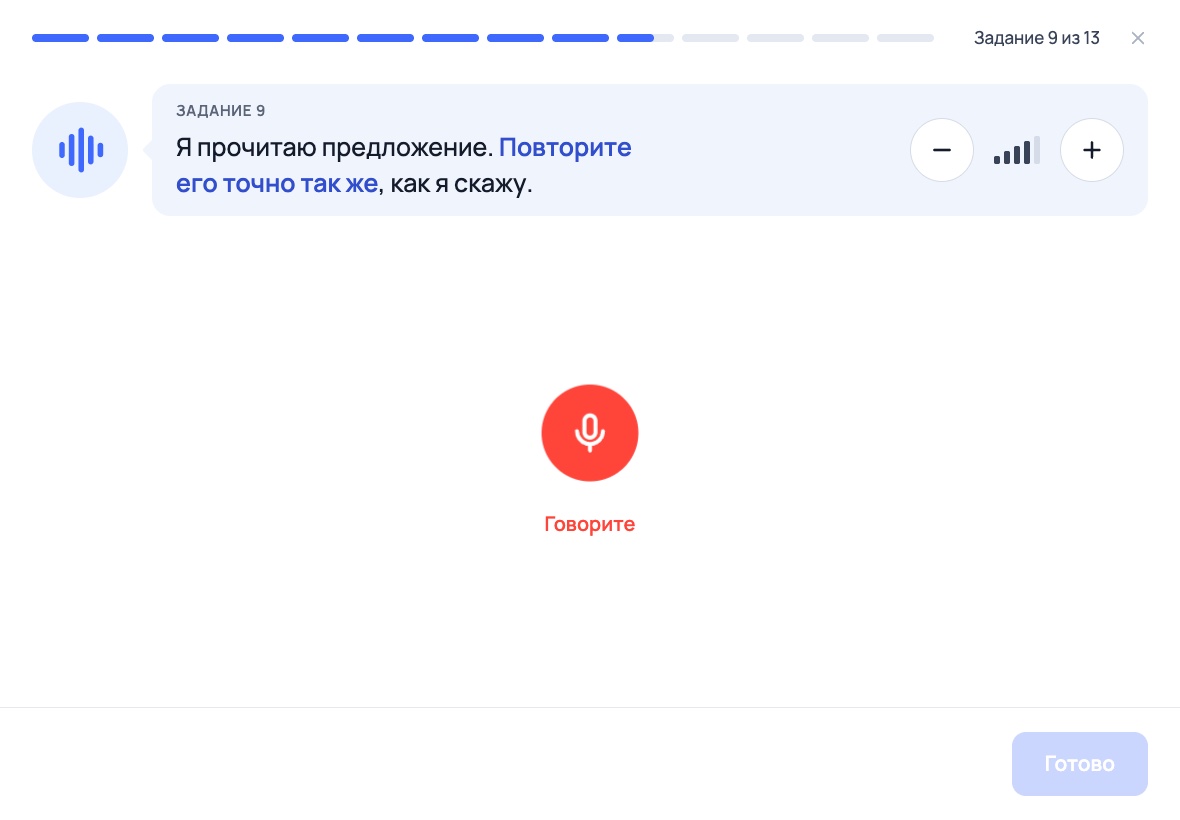
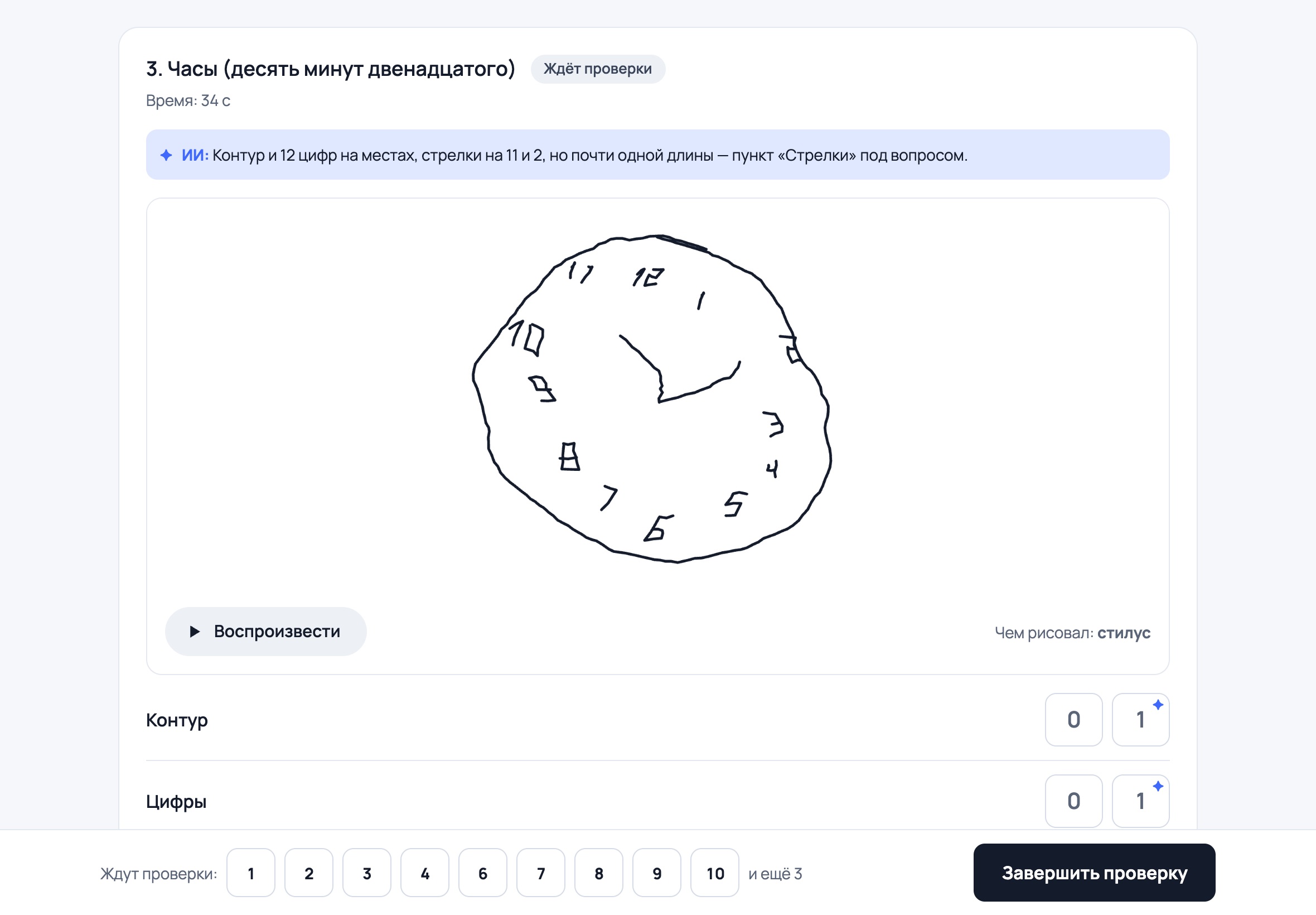
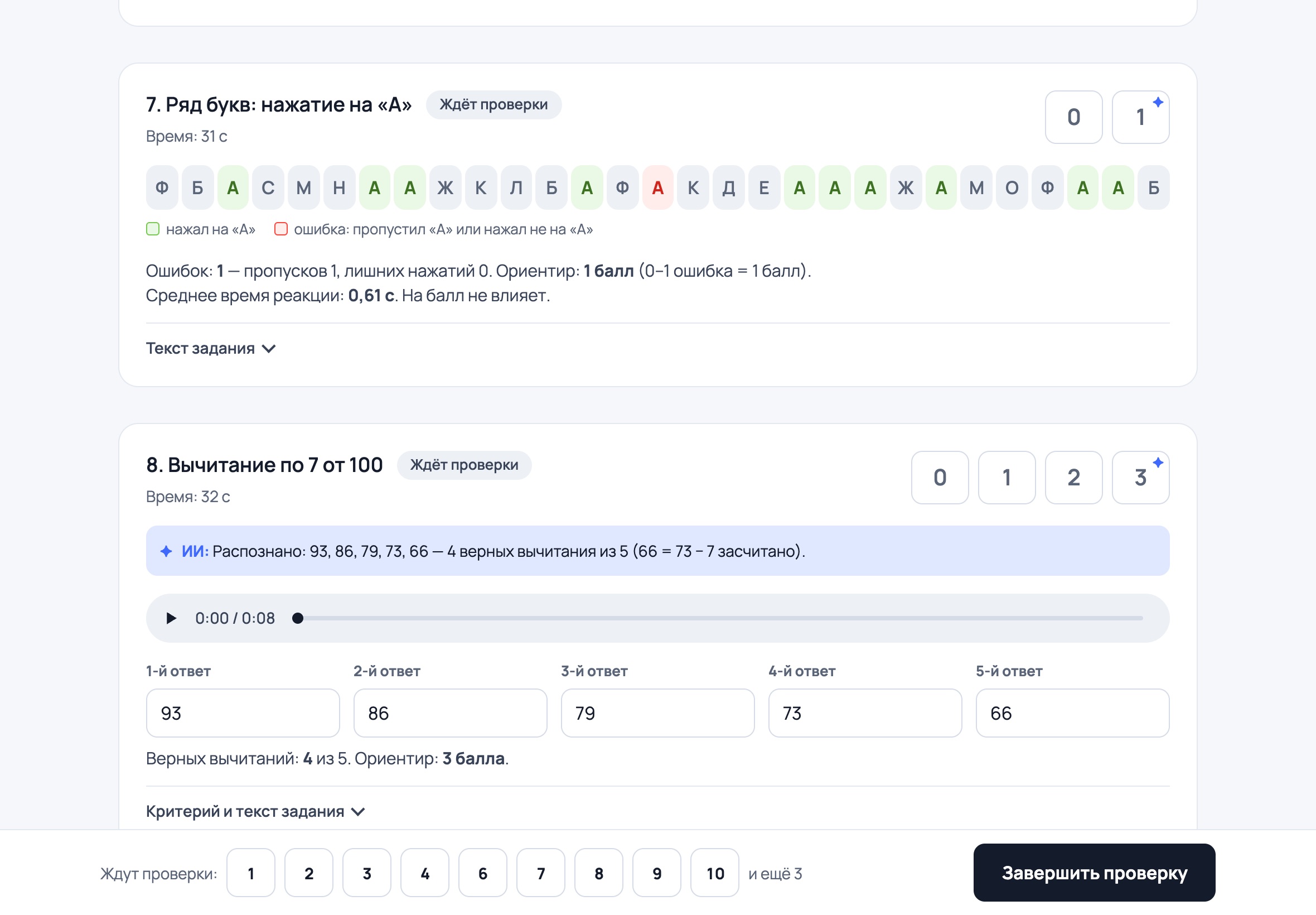
The patient takes the test on their own, without a specialist. A voice guide reads out the tasks and, before the test, runs a short warm-up: a sound and microphone check and a tablet tutorial. Spoken answers are recorded, and every line of the drawings is saved.
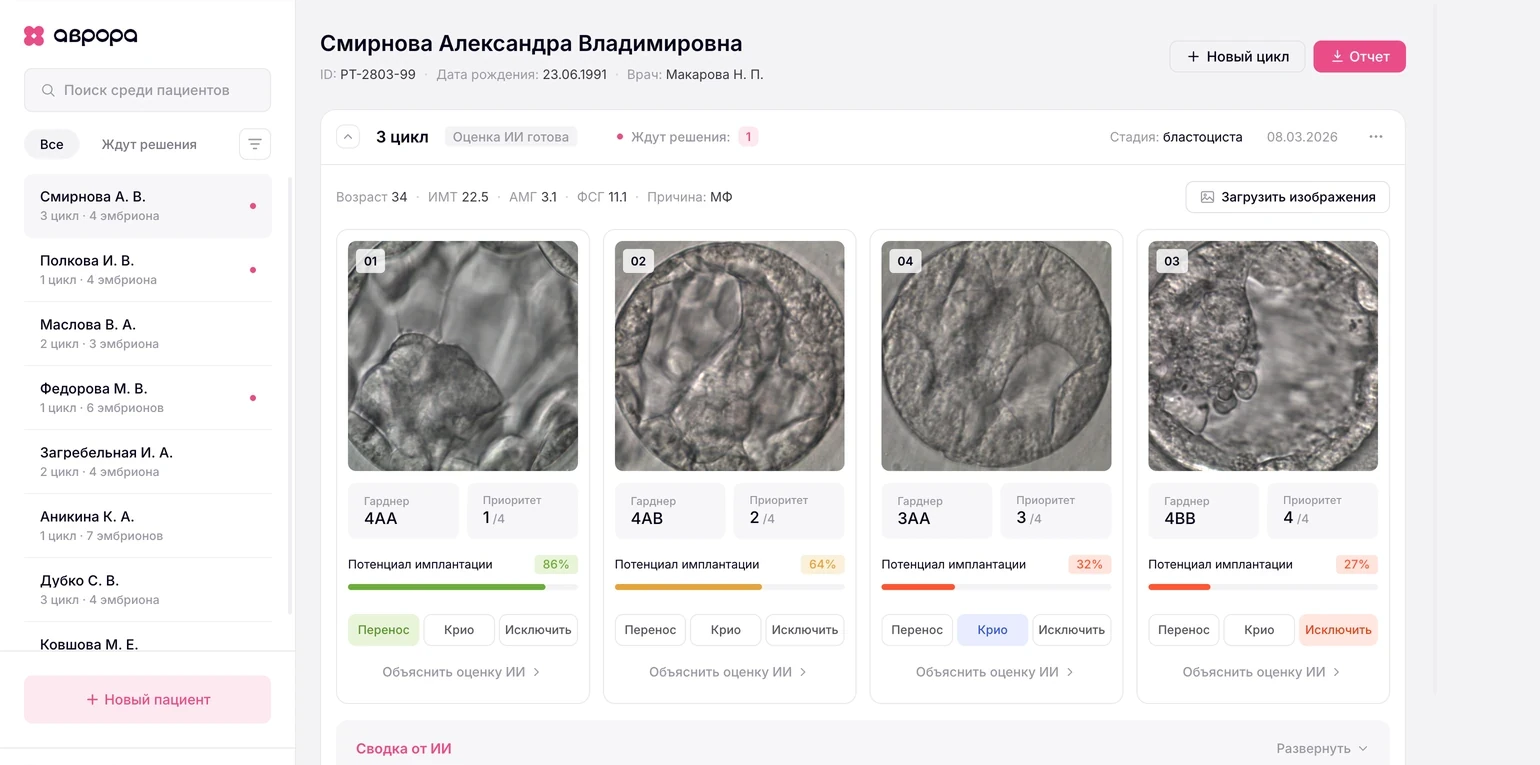
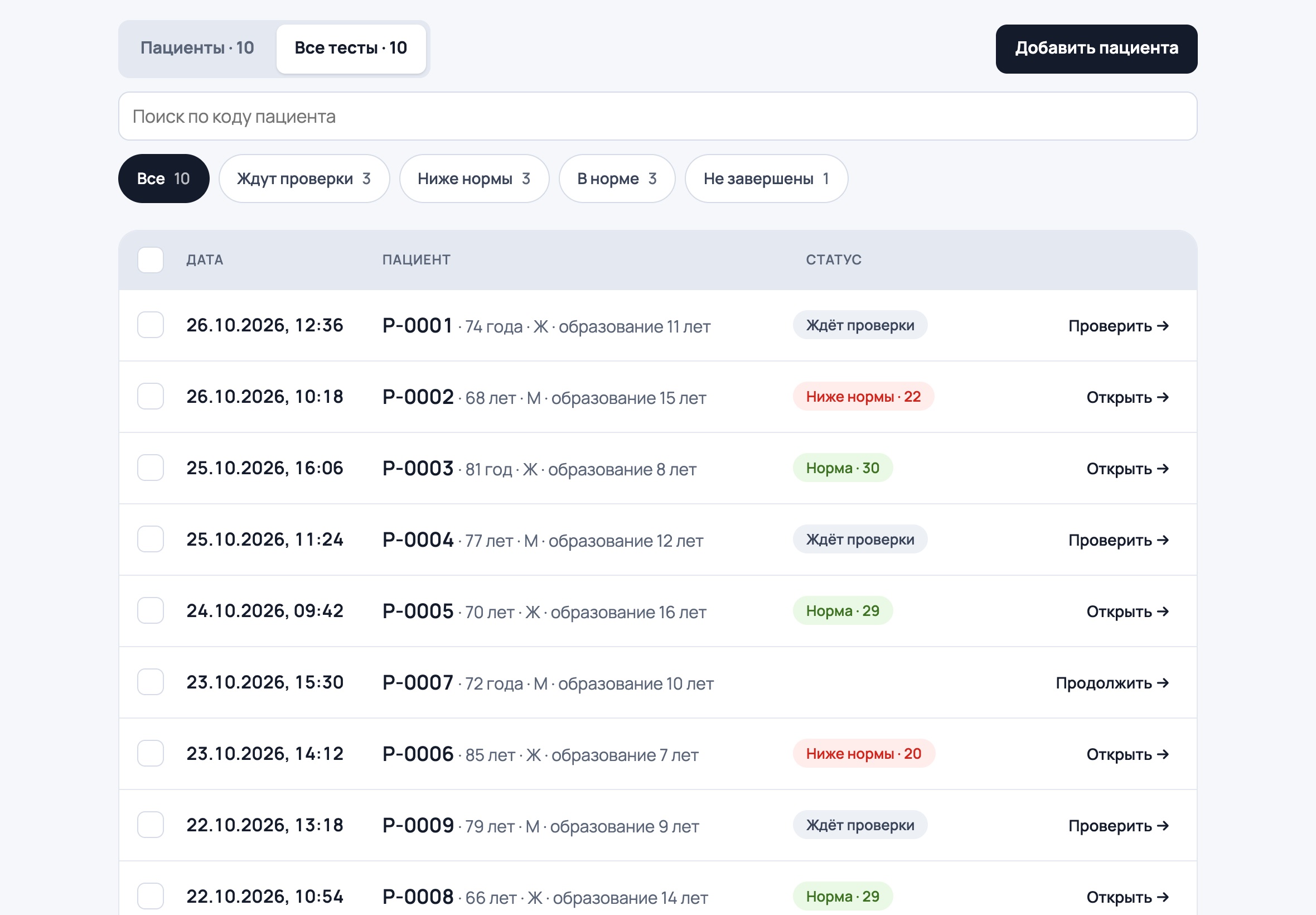
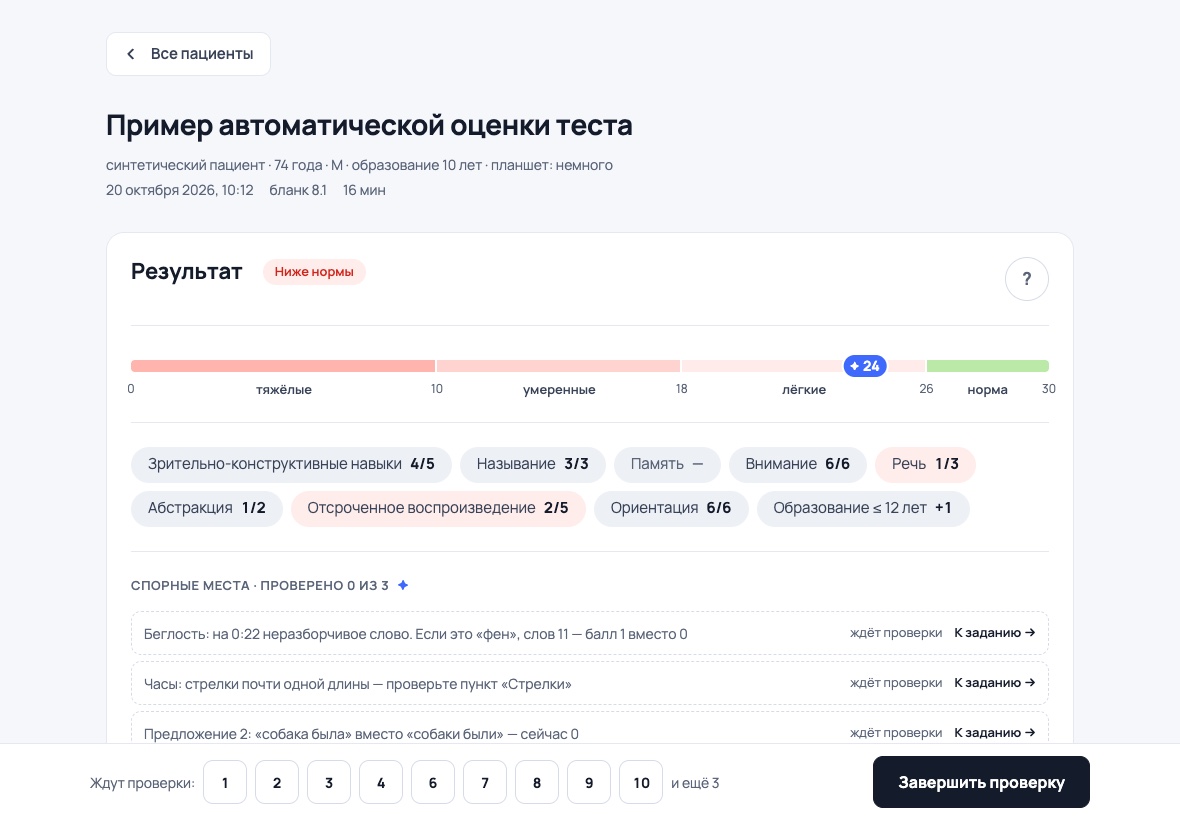
The doctor adds a patient, picks the form version and reviews the test afterwards: listens to the recordings, watches how the patient drew and scores each item of the form. Next to every item are the recorded answer, the correct answer and the criterion.
Problem
The paper MoCA is run by a specialist who knows the method. But the decision whether to refer a patient to a neurologist often falls to general practitioners and lab staff, who usually don’t. The digital version runs the test itself, the same way for everyone, and the AI gives a recommendation the doctor can check.
For me it’s also personal: my family has faced this problem.
How the work went
All I got was the task: quickly make a tablet version of MoCA. How to build it was up to me. The key was that the digital test must not break the MoCA methodology and could fully replace the doctor.
So I checked every decision against the instructions: the task order, stimuli and timing are the same as on paper. Words to remember are only spoken, the instructions can be repeated but a stimulus can’t. There are no “right” or “wrong” prompts and no erasing: the doctor sees every line and correction, just as on the form.
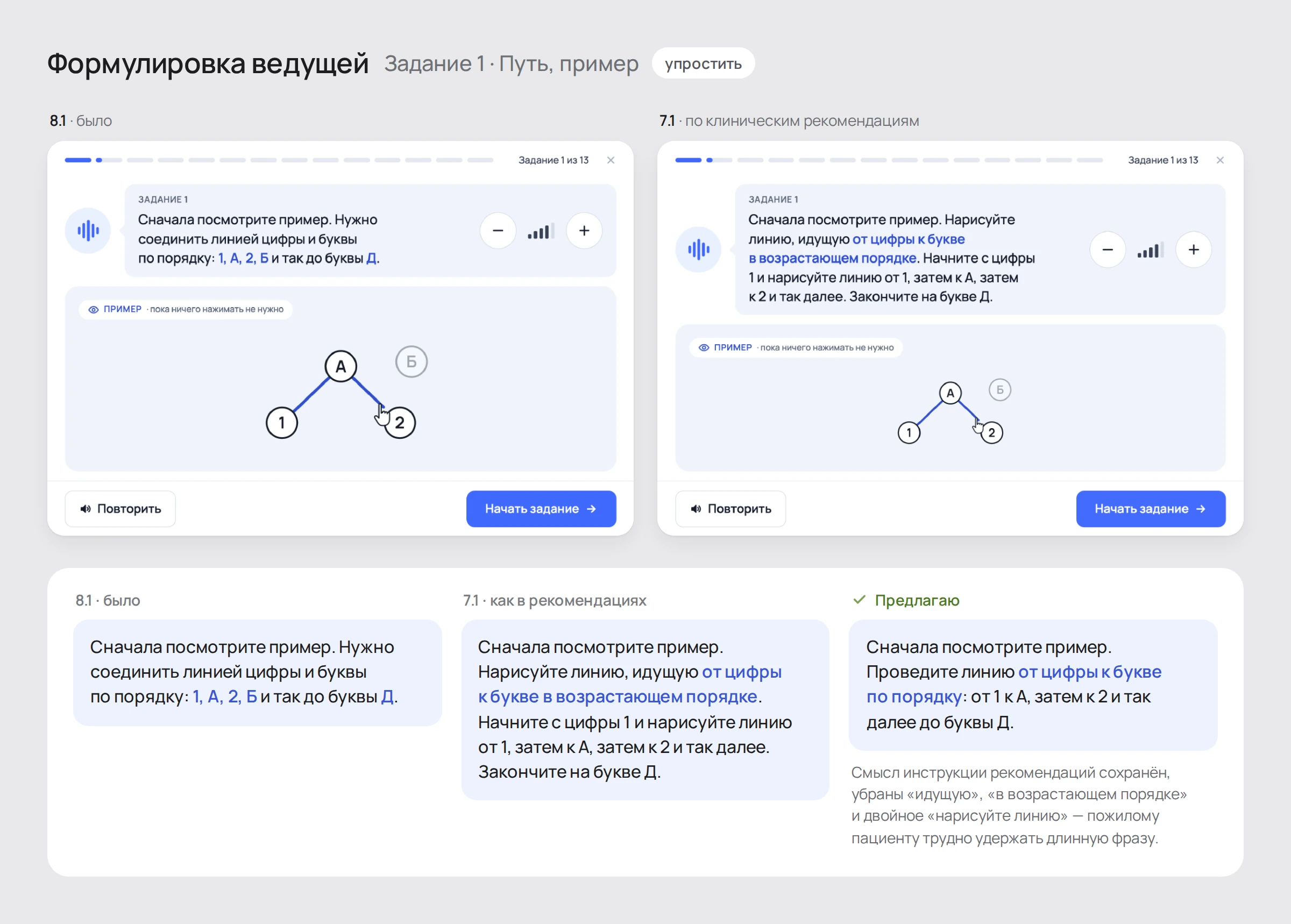
Moving the test to a tablet exposed a mismatch in the methodology itself. In Russia the clinical guidelines fix MoCA version 7.1, and we can’t deviate from it. But its wording is a literal translation of the instructions for specialists: heavy for a patient taking the test alone, and some tasks don’t even fit on the tablet screen. I proposed wording that keeps the meaning of the guidelines and is clear to the patient. Our partners take part in writing the clinical guidelines, and we are discussing these proposals now.
The users are older people, often with cognitive impairment, so the interface is calm and grown-up: large buttons, no background reminders, and the guide is a voice sign, not a cartoon character.
The next step is clinical tests with older patients, which we are now discussing with a clinic. Based on the results we’ll refine the product and the models, and the product will get full AI analytics.
The guide’s voice
The guide’s voice was a big piece of work in itself. It has to sound the same on every device, so instead of system speech synthesis the app uses pre-generated neural voiceover, a little slower than normal speech. I spent a long time choosing the voice and tried a great many options from different synthesizers.
I looked into which voices are easiest for older people and people with cognitive impairment to follow. The calm, confident voice of my friend Vera (@avant_ve, Telegram channel “Управленец в медицине”) suited best. I generated the voice from her video and spent a long time refining it to sound as natural as possible. Vera agreed to let us use her voice in the test — thank you, Vera!
About the research
The app was built as part of a research project: the data it collects is used to train models. It is non-commercial and not for sale. MoCA® is a trademark of MoCA Test Inc.